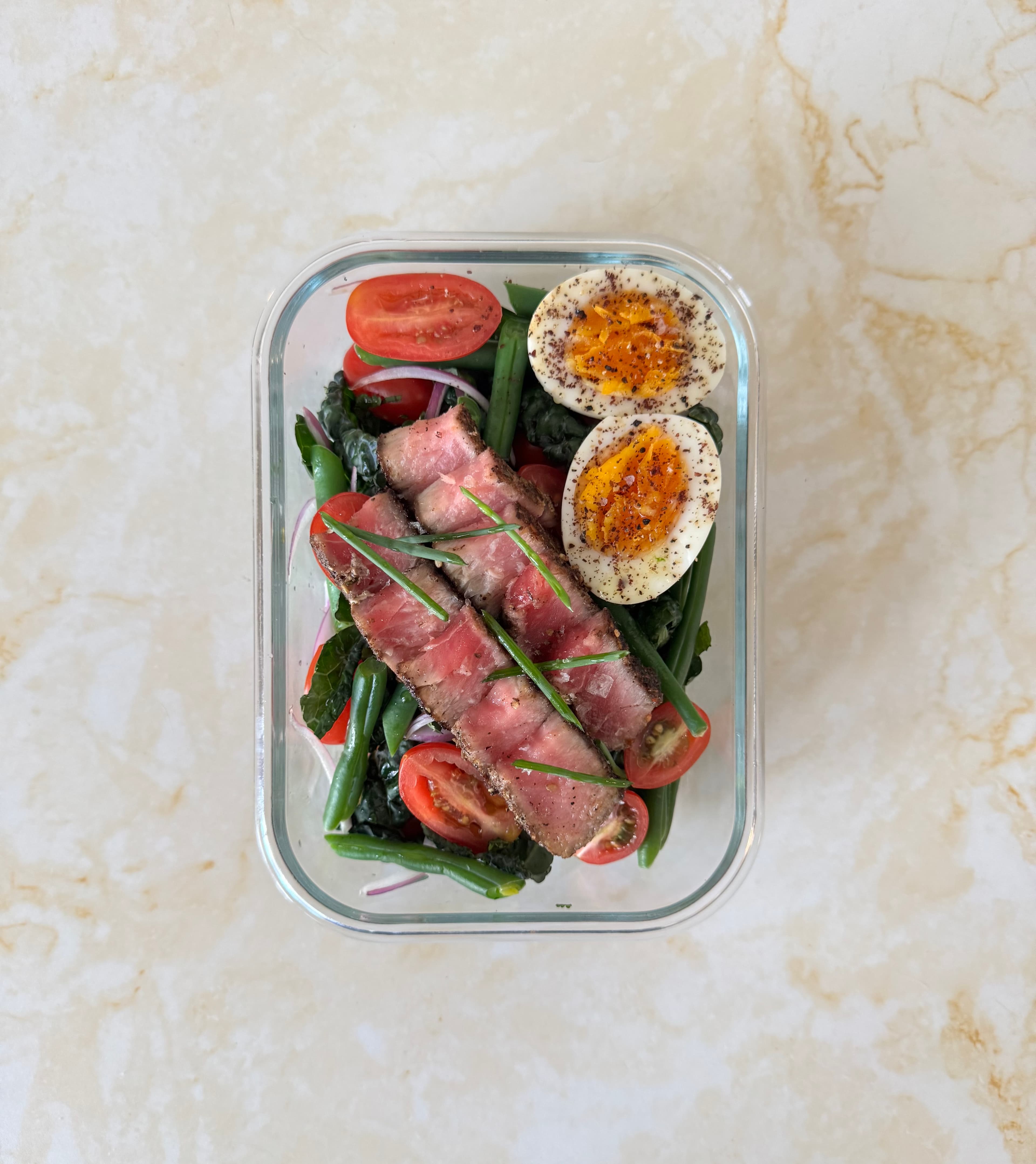
Eating paleo is straightforward in theory. Whole proteins, vegetables, healthy fats, no grains, no legumes, no how our service worksed anything. The concept isn't complicated. The execution — after a 10-hour day, two kids in tow, and a fridge that somehow has nothing useful in it — absolutely is.
That's the gap a private chef fills. Not meal kits with pre-measured packets. Not restaurant takeout with mystery oils. Someone who comes into your home, cooks real food the way you want it, and leaves your kitchen stocked for the week ahead.
What Does a Paleo Meal Prep Chef in Austin Actually Do?
The short version: they do everything you don't have time to do. Before the session, you'll align on your dietary needs, flavor preferences, protein sources, and portion goals. On cook day — usually a Sunday or Monday — your chef arrives, handles all the shopping or works with groceries you've sourced, and spends a few hours cooking in your kitchen.
By the time they leave, you've got labeled, portioned containers of food ready to pull from for the next four to six days. Grass-fed beef stir-fry. Sheet pan salmon with roasted root vegetables. Chicken thighs braised in coconut milk and herbs. Food that's actually satisfying, not sad diet food dressed up with a trendy name.
Why Paleo Is Particularly Hard to Sustain Without Help
Most diets fall apart not because people stop caring — they fall apart because life accelerates and the path of least resistance wins. In a neighborhood like Westlake Hills, where schedules are packed from 6 a.m. school drop-offs through late evening work calls, paleo compliance gets traded for convenience constantly.
The other problem is variety. Paleo restricts a lot of the easy go-to foods — bread, pasta, most packaged snacks — which means your weekly rotation has to be intentional or you'll burn out on plain chicken and broccoli by Wednesday. A skilled chef brings creativity to the constraint. They know how to build flavor without soy sauce, how to make cauliflower rice actually taste good, and how to batch-cook proteins in a way that holds texture through reheating.
What a Typical Paleo Prep Session Looks Like
Every session is customized, but here's what a realistic week might look like for a family of three:
- Two proteins: Slow-roasted pork shoulder and herb-crusted chicken breast, prepped in portions for lunches and dinners
- Three vegetable sides: Roasted Brussels sprouts, sautéed greens with garlic, and a cucumber-avocado salad dressed day-of
- Grab-and-go options: Hard-boiled eggs, cut fruit, and almond-based energy bites for mornings when breakfast isn't happening
That's a week of food. No Sunday meal prep service marathon for you. No mid-week scramble. Just open the fridge and eat.
How Austin's Seasons Actually Affect Your Paleo Meal Plan
This part matters more than most people expect. Austin's produce cycles shift noticeably across the year, and a chef who shops with the season gives you better food at a lower ingredient cost. In late fall and winter, that means leaning into sweet potatoes, butternut squash, and dark leafy greens — all paleo staples that hold up beautifully in roasted or braised preparations.
In the brutal summer months, when nobody wants a hot oven, the focus shifts: cold proteins, raw salads built on arugula and cucumber, chilled salmon over zucchini noodles. The diet stays clean; the cooking adapts to what's actually good right now at local farms and the Barton Creek Farmers Market.
Is This More Expensive Than Doing It Yourself?
Honestly, it depends on how you're calculating cost. The grocery bill for a week of quality paleo ingredients — grass-fed meats, wild-caught fish, organic produce — is already significant. When you factor in food that goes bad because you didn't get to it, time spent planning and shopping and cooking, and the takeout you ordered anyway because it was 8 p.m. and you had nothing ready, the math shifts.
For most clients, a private chef session lands somewhere in the range of a few hundred dollars for a full weekly prep. That covers labor, customization, and a fridge full of food that actually gets eaten. Our private chef meal prep pricing page breaks down what's included and how sessions are structured, so you can see whether it fits before committing to anything.
What to Look for When Hiring a Private Chef for Paleo Prep
Not every chef has real experience with elimination-style eating. Paleo has specific rules — no dairy, no grains, no legumes — and a chef who's used to cooking for general audiences may not instinctively know where hidden ingredients creep in. Soy, canola oil, and added sugars show up in unexpected places.
Ask directly about their experience with paleo or other whole-food protocols. Ask how they handle cross-contamination if your household has mixed dietary needs. And ask for a sample menu — a chef who can articulate a varied, interesting paleo week without defaulting to plain grilled chicken is one who'll actually keep you on track.
The Part That Actually Changes Behavior
Here's what clients consistently say after a few weeks of consistent prep: they stop thinking about food as a chore. The decision fatigue disappears. You're not standing in front of the fridge at 7 p.m. negotiating with yourself. The food is there. It's clean. It's good. You eat it.
For families in areas like Cedar Park or Lakeway, where commutes and activities leave little margin in the day, that shift in friction is meaningful. It's not a luxury in the same way a restaurant meal is — it's infrastructure. Reliable, weekly infrastructure for how you actually want to eat.
For more details, see our private chef service in Austin.
If you're ready to stop restarting your paleo diet and start actually sustaining it, explore our in-home private chef service to see how EatsByATX handles prep, customization, and everything in between.