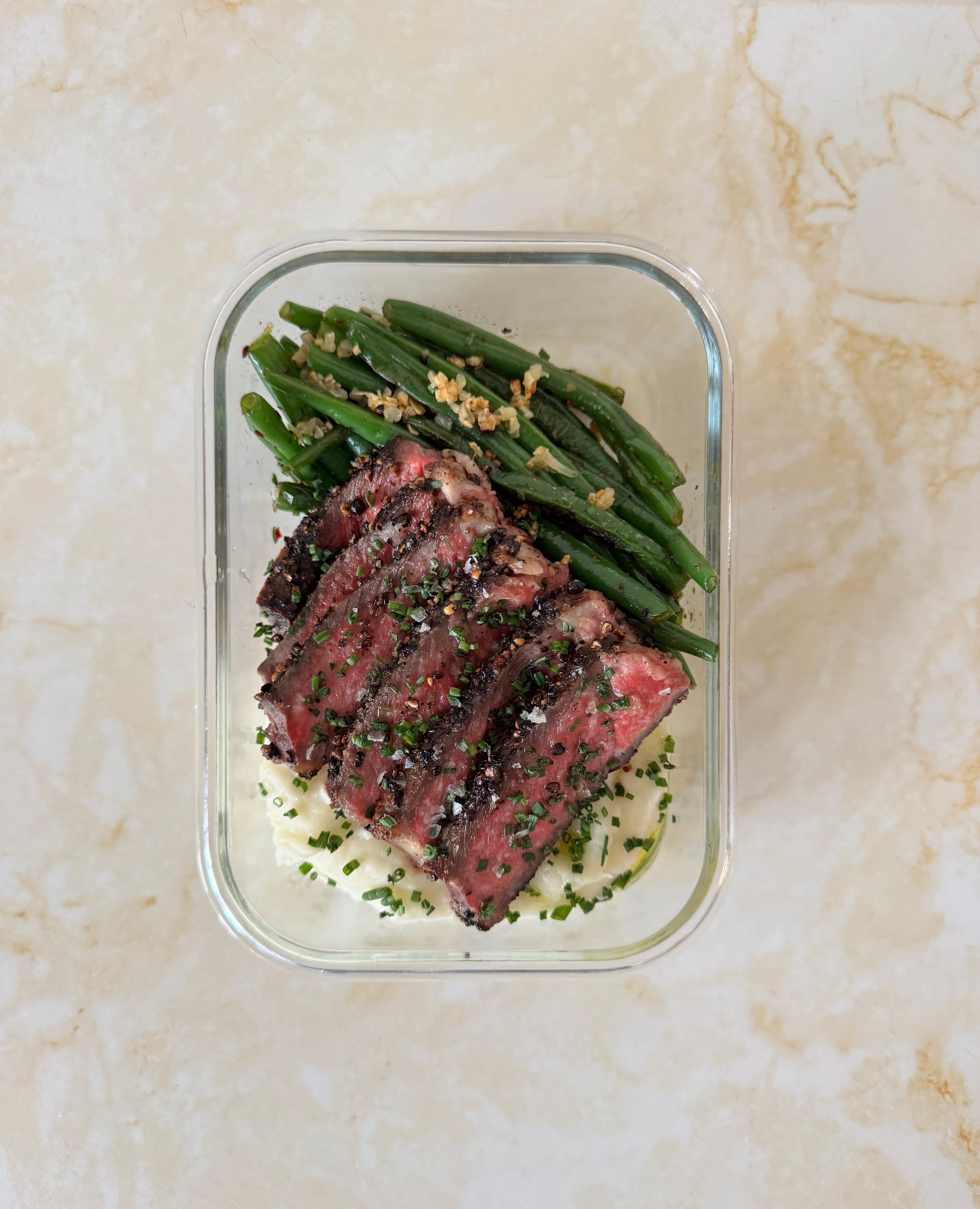
Searching for healthy meal prep service companies near me sounds straightforward until you actually start comparing options. Delivery services, meal kit boxes, ghost kitchens, and private chefs all show up in the same search results — but they're completely different products. Knowing what to ask before you commit can save you a lot of wasted money and a lot of underwhelming dinners.
What Does "Healthy" Actually Mean in Meal Prep?
This is the question most companies hope you don't ask. "Healthy" is a marketing word with no legal definition. A meal can be labeled healthy and still be loaded with sodium, seed oils, ultra-how our service worksed fillers, or sugar disguised as a sauce. Before you trust a menu description, dig a little deeper.
A few things worth asking:
- Do they publish a full ingredient list, or just macros?
- Are meals made with whole ingredients, or assembled from pre-made components?
- Can they accommodate specific dietary needs — not just gluten-free as an afterthought?
- Who actually decides what goes in the food?
If the answer to that last question is "a centralized kitchen in another city," that's worth knowing. Standardized menus can't adapt to your body, your preferences, or what's actually in season.
Questions to Ask Before You Hire
Whether you're evaluating a delivery service or a private chef, these questions will tell you a lot about what you're actually getting.
Who is cooking the food, and where? Meal prep delivered to a private chef in Westlake Hills doorstep might have been cooked in a commercial facility two days ago. That's not a dealbreaker for everyone, but it's a very different experience from food cooked fresh in your own kitchen.
How much control do you have over the menu? Some services offer a rotating weekly menu and that's it. Others — especially private chefs — build meals specifically around your household's tastes, intolerances, and goals. If your kids won't touch cruciferous vegetables or your partner is managing a health condition, you want a provider who can actually respond to that.
What's the sourcing story? A company that cares about healthy food usually cares about where it comes from. Ask about proteins, produce, and whether they work with local vendors. Austin has a strong local food culture — farmers markets in Mueller, co-ops in Hyde Park, farm networks across the Hill Country — and a chef or service that taps into that will generally produce better food.
Is there a human you can actually talk to? Meal kit companies are optimized for scale. If something's wrong — you got a bad delivery, you need to change your order, you have a new dietary restriction — you want to be able to reach a person. This sounds obvious until you've spent 45 minutes in a chatbot loop.
Red Flags to Watch For
Most people don't realize they've hired the wrong service until they're already locked into a subscription.
Vague ingredient language is one of the first warning signs. Phrases like "chef-crafted" or "clean ingredients" don't mean anything without specifics. If the website doesn't tell you what's actually in the food, that's a deliberate choice.
Rigid menus with no customization are another. If a service can't accommodate a dairy allergy or a preference for higher protein, they're not really cooking for you — they're just shipping you food and hoping it works. Families with picky eaters or specific health goals need flexibility, not a fixed weekly rotation.
Long-term contracts or hard-to-cancel subscriptions deserve extra scrutiny. A service confident in its product doesn't need to trap you. Read the cancellation policy before you enter your card number.
Finally, watch for menus that look healthy but read like a restaurant trying to upsell you. Cauliflower crust, quinoa bowls, and "superfood" salads can all be genuinely nutritious — or they can be mediocre food dressed up in wellness language. The difference is usually in the sourcing and preparation, not the name.
Why the Cooking Location Matters More Than You Think
Most people focus on the menu when they're evaluating meal prep. The cooking location is often an afterthought — but it's one of the most important variables.
Food cooked in your kitchen uses your cookware, your oven, and your storage containers. It's portioned for your household. It doesn't spend 48 hours in a delivery truck. A private chef working in your home in Lakeway or Tarrytown can adjust seasoning on the fly, taste as they go, and leave your kitchen ready for the week — not just drop off a bag of containers.
That's a fundamentally different experience than anything a delivery model can offer, regardless of how the menu is described.
How to Actually Make the Decision
Start by being honest about what you need. If you want maximum convenience with minimal involvement, a delivery service might be fine. If you care about ingredient quality, want meals adapted to your family's specific needs, or have health goals that require real customization, you need a provider who cooks with intention — not one who ships at scale.
For households in Austin who want professional-quality, genuinely healthy meals prepared in their own home, a private chef service is worth understanding before you default to delivery. It's often more accessible than people assume, and the difference in food quality is significant.
Explore how in-home private chef meal prep with EatsByATX works — including what a typical week looks like and how the process gets started.